

Introduction
The art of bushcraft is an
incredible way to connect deeper with the natural world by understanding how to
survive and thrive using minimal resources. However, more than polishing off those survival skills alone is needed. Having the right equipment is just as
crucial. Let's consider why it's essential gear to enhance your bushcraft
skills.
The Criticality of the Right Gear for Bushcraft Activities
It's said that a good workman is
never a novice tool and hustles ahead – this couldn't be any truer for a
bushcrafter. Priming your bushcraft rucksack with the correct gear not only
abridges legitimate challenges of the wilderness but can sometimes pave the
line between survival and risky situations.
While it's essential to
anthropomorphize bush crafting as art and lore rather than gear and
ostentation, having quality, functional tools make your primitive journeys
quicker and more accurate.
Understanding Bushcraft and its Essentials
Bushcraft is an accessible
repository that catches learning techniques to subsist in wildlands using bare
minimum means. This includes knowledge of -
- Plant Identification
- Making Shelter
- Gathering and sanitizing water
- Hunting and trapping
- Signaling and Navigation
While bushcraft revolves around developing these skills above as your go-to epistles, no bushcraft journey divests the complimenting cocktail of tactical straps and gears. These are pivoted as follows -
- They minimize strain and hasten the output mainly when
needed.
- Supply rescue daye sheltering than hand made structures
sometimes improving heat retain capacity.
- Assistance in an easy-to-follow bounce-back trail in
unfamiliar territories.
- We are offering multipurpose adaptability. From mint
tea decoction to trapping the prey's troublesome enemies, all is eased in
a shaken edge.
How to Choose the Right Equipment
Selecting the suitable bushcraft
gear shouldn’t be a horrific daunting task, just a discriminant exercise
symbolled by an arcana of the four:
- Function: The tool should serve the actual purpose and
potentially fit other related tasks.
- Fit: Equipment should ergonomically settle the routine
groove.
- Finish: Inspect for ease of maintenance and longevity.
A treat-on list has capstone equipment like a knife, rucksack, tent/hammock, ax/Machate, map/compass, and first-aid provisions prioritized following that caters bisect of mounting application-centric gadgets.
01. Mastering the Knife - A Comprehensive Guide
 |
| photo: amazon.com |
The Life-Sustaining Artifact: Knives
Since time immemorial, knives have been an indispensable tool. Encompassing an integral history dating back to the early Stone Age, knives in the hands of the neighborly handyman and intrepid explorer that we may be cut to serve our diverse substratum unfolding myriad functions.
In the world of cutlery utility, bushcraft knives surface magnificently possessing the working edge, be it to slice through thicker branches or to scrap off thin flakes from harbingers of flame - they strive to persevere. Today, let us journey down the path of gaining accountability in choosing the most durable set of knives and understanding how to preserve them for countless adventures yet to be immortalized.
Fixed Blade and Full Tang: Invincible Duo
A set of reliable aids designed for survival wouldn't swerve, leaving behind their qualities to oscillate against variability. A testament to this is the Fixed-blade knife. Unlike folding knives, it holds up well amidst hefty tasks, establishing unflinching assurance paired with enduring service enslaved to one's needs.
Transcending into deeper characteristics of full tang knives grows beyond just being mere add-ons to steak feasts. These aren't merely characterized by the blade traversing the entire knife length even as one observes the enticing grip waking to glow stylish wood or staggering valiant G10. It serves hand-to-strength brilliance that collaborating with jolting tasks becomes a typical call, only fueling the blade's immortality paired before determined will.
Through generations practicing survival, hands that dared to tame wilderness discovered these essential blade dynamics. The unbeatable duo - Fixed Blade and Full Tang, learn life lessons the hard way only to polish their perfection rung by rung. Uncomplicated passion balt, they stand ready to counter time and tide assertively.
Joy of Ownership: Blade Maintenance Councils
Just like a well-loved vehicle, a durable knife requires periodic maintenance. Whether you are planning yet another heartthrob adventure or easing into cozier times radiating fireside wisdom, an impeccable weapon continuation spins better slices at hand.
Understanding the properties of blade materials, those used at pivots, hinges, and locking mechanisms, goes a long way in benching performance. The standard art of knife sharpening walks beside it, too. I understand grainy textures to trodden platforms followed by crucial apostrophes of lubrication twins to save blade surface stumbling off corrosion's trail.
02. The Quintessential Guide to Survival Axes
 |
| photo: amazon.com |
Whether it is prepping for an outdoor camping trip or the zombie apocalypse, the trusty survival axe is a critically essential tool. The sturdy design and usability make it a dependable gear item and practically guarantees survival in harsh circumstances.
Purpose of Survival Axes
Survival axes are not another advancement in the modern wonder-of-tools list. Instead, they have been an integral part of human survival ever since our first civilizations. Here are a few significant purposes:
- Definitive tool for preparation and utility in survival situations
- Ultimate gear for hunting and protection against dangerous animals and threats
- Essential for food gathering, especially while fishing
All these reasons make a survival axe the ultimate tool for anyone charting into the unknown outdoors, bred to withstand terribly harsh conditions.
The Varied World of Survival Axes
Understanding the purposes leads us to acknowledge the varied sizes and materials a survival axe can be prone to be used in:
Different Sizes
Take note, just like a miraculous Swiss army knife, one size does not fit all regarding survival axes. The size does indeed impact its effectiveness and efficiency based on the situational demands:
- Small size is best for cutting with preciseness, ensuring detailed work.
- Medium size is balanced between generating powerful cuts and detailed work.
- Large size is designed for loops requiring power for in-depth cutting or cleaving.
Materials Used:
The material of the survival axe depends primarily on its head and handle more than anything else, holding both challenges and opportunities:
- Steel emerged as both a popular and durable option for axe heads.
- Leveraging fiberglass, better procured in surviving the harsh natural elements, gang up on the handles.
- While wooden handles offer the ultimate classic style and authentic feel, they require proper care and maintenance to avoid weakening down the line.
Maintenance Requirements and Precautions
Regular care and safety are essential when using survival axes like any tool.
- Remember to regularly oil your axe to prevent rust, which can hamper efficiency and longevity.
- Do not forget to sharpen the blade so it can quickly get all the tough jobs done when needed.
- Safety
in axing is paramount. Ensure a wide swinging area and always consider safety regulations that vary concerning size, material, cutting technique, and maintenance.
Review
The survival axe is an unsung hero amongst versatile construction. They are proficient, organically lenient, and intended for handmade trade and safeguarding against unprecedented challenges. Whether it chiefly catches your eye for relentless trips into the forests or attempting something handcrafted, choosing the right survival axe and maintaining it is quite a transformative experience full of adventures.
03. Understanding Wood Processing Tools
 |
| photo: amazon.com |
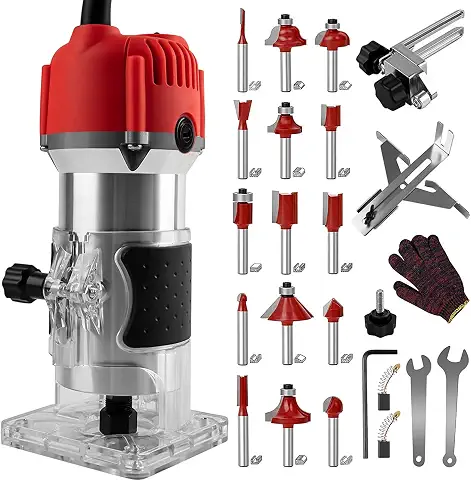
In today's post, we'll dive into the vital role and selection criteria of good quality wood processing tools. By the end, you'll know what to pay attention to when choosing these tools for your type of work and size.
The Role of a Good Quality Wood Processing Tool
Before we delve into selection criteria for quality wood processing tools, we must understand why you need them. High-quality tools are vital to the success and efficiency of any wood processing task, from carving and shaping to cutting. They can drastically improve the precision of work, reducing effort and time while maintaining safety and efficiency at the same time.
Indeed, good quality wood processing tools conform to different ergonomic designs, providing appropriate edge retention and comfort in use. Consequently, these tools minimize work-related injuries and promote higher productivity all around.
Selection Criteria: Type of Work and Size
How can you decide which wood processing tool is perfect for you? Usually, the two main factors considered are the type of job in hand and the tool size. Ultimately, your optimal selection entirely depends on these two dimensions, and they should guide your selection process:
Type of Work
Generally, the type of work significantly determines the kind of tool to acquire. Given this, thinking about the tasks before purchasing is critical.
- If the tasks are more minute and require more detail, hand tools like chisels and planes would be superb.
- If the tasks are larger and more demanding, you would benefit more from power tools like chainsaws or band saws.
Tool Size
The second consideration for choosing the perfect tool is its size. The size should align with the user’s strength—if it is too bulky, it might be hard to control, leading to potentially unsafe situations.
- Compact tools might fit better for shorter or more delicate tasks, delivering precision and control.
- More substantial tools would assist in efforts requiring intensity and pushing beyond cutting minimal wood quantities.
Review
To sum up, your ideal wood processing tools depend significantly on the quality, the type of your tasks, and the device's fitting size. With today's knowledge, you’re one step closer to possessing the perfect tool set for your wood processing tasks.
Remember, Always use tools responsibly while strictly adhering to safety measures. Here's to successful wood-crafting experiences in all your future projects!
04. Guide to Camping Cookware and Stoves
 |
| photo: amazon.com |
Making meals while camping is different from home cooking. With it comes its own unique set of challenges - and joys! In this post, we will discuss some critical elements involved in the culinary side of camping, explicitly focusing on shrewdly chosen cookware and efficient stove types.
Critical Culinary Equipment for Camping
A little forethought into your camp cookware selection can make all the difference when you're miles from the nearest Eatery.
- Durable Pots and Pans: Harsh outdoor environments demand high durability from your camping cookware. Look for materials like cast iron for a skillet or Dutch oven and stainless steel for pots and pans. Such materials can brave the weather conditions and an open campfire.
- Lids and Utensils: Some campers skip these minor details and later regret their oversight. A well-fitting lid hastens cooking time and saves fuel. At the same time, reusable utensils such as long-handle spoons explicitly designed to reach deep pots make meal preparations easy and enjoyable.
- Mess Kits: If you plan to cook AND eat while camping (most do), consider purchasing a mess kit. A simple one is a compact cook pot, pan, plate, cup, and eating utensils conveniently packed behind tiny doors.
Portable and Hardy Cookware Options
Many options exist for compact, rugged cookware suitable for camping.
- Nested Cook Sets: Typically made of light metals (like aluminum or titanium), they offer various sizes of pots and/or frypans that nest neatly inside each other.
- Grill Racks or Toasters: Ideal for making toast, warming tortillas, or grilling small items directly over an open flame.
- Kettles: These must-have items are preferred for melting snow or ice, warming water for hot drinks, or instant foods such as soup or hot cereal.
The Importance of Folding Stoves
A camping trip might seem complete with the iconic image of food being cooked over an open flame. However, there are circumstances when this might not be feasible. Therefore, it's a smart move to include a folding stove in your camping checklist.
A foldable camping stove gives you heat to cook food, regardless of the environment or weather conditions. It will also save you from unnecessary cancelation charges for your smores nights as the folding stoves are easy to carry and maintain campfire-controlled campgrounds' health and safety regulations.
05. Building Your Survival Shelter
 |
| photo: amazon.com |
A Comprehensive Guide to Natural Building Materials
In this age of technological achievements, it's a crucial skill to connect with the simple, practical art of building a lasting shelter using all-natural materials. Let us dive into the fascinating and inspiring world of survival and adaptability.
Importance of Building a Shelter
Shelters provide an essential barrier between you and environmental threats. A well-constructed cover can protect you from wind, rain, direct sunlight, insects, and even wild animals. It also serves as a haven of comfort during an intense outdoor voyage or a remarkable test of survival skills.
- Presence and availability of natural materials
- Protection from weather elements
- Safeguard against wildlife
Types of Shelters and Their Required Materials
Before considering the conditioning and boundaries of natural materials, it's critical to understand the various styles of naturally constructed shelters.
Lean-to Shelter
This is the simplest structure, which is extremely easy to assemble. Two opposing fittings against a single resilient tree do the magic.
- One side is open, allowing a doorway, and the half-roof provides shade and shield.
- Main materials include fallen branches, logs, vines, and leaves.
Leaf Hut
A double-faced lean-to offers a warm surface to relax and sleep on, with extra leaves as an insulation layer.
- Materials include branches, leads, and additional insulating materials like dry grasses or moss.
Wilderness Wigwam
Much more substantial, designed with a framework of interlocking poles, covered with vine or clothes, a considerable upgrade providing thrilling comfort even in hard rainfall.
Focusing on Natural Materials, You Can Use
What natural shelter-constructing materials will you utilize specifically? It generally depends on your locality and environment.
- Branches and logs – The Framework of the significant shelter types depends on these robust plant life products for crucial construction strength.
- Dense and leafy plant life or foilage - Utilized for protective roofs and as weather insulators, highlighting a vibrant use of crude tools of our land.
Having these foundational materials available in your arena is a great way to integrate with and hone your natural shelter-building skills.
06. Rope, Twine, and Elastic Cords: Understanding Your Choices
 |
| photo: amazon.com |
A resilient and durable cable must be emphasized, from naval-related endeavors to outdoor adventures. Across these fields of use and many more, ropes, twines, and elastic cords continuously remain highly sought after. Enjoy this informative blog post, where we unravel the services, peculiar requirements, and the ultimate breakdown of natural against synthetic materials.
Uses for ropes, twines, and cords
Ropes, twine, and cords serve numerous purposes across various activities.
- Survival and outdoor activities: Here, the usage ranges from setting up camps, pioneering, knot techniques training to rescue exercises.
- Crafts and interior design: Twines and cords can be used in furniture production to include durability characteristics as a feature.
- Nautical uses: Often required for cables and rigging.
The breadth of their application makes these trio widely beloved in domestic and industrial dealings.
General size and thickness requirements
Thickness, length, and durability primarily characterize the general size requirements for ropes, cords, and twines. Each purpose determines specific criteria because what works in one situation might fail in another. Strings used for construction may require a significant thickness and strength compared to twines used for craft purposes.
- Diameter: This is expressed in either millimeters or inches and is responsible for a rope's bulk nip.
- Tensile Strength: The direct converse of a rope's possible tensile strength is its diameter limits.
Many standardized codes provide thorough guidelines concerning size regulations for these materials, ensuring safety and efficiency in their use.
Comparison among natural and synthetic materials
Natural fibers such as hemp, silk, bamboo, and cotton and synthetic fibers such as nylon, polyester, and ethylene have distinct pros and cons.
- Natural Materials: These come with the attraction of environmentally-friendly disposal. They offer a better hand grip and are generally less expensive.
- Synthetic Materials: Summit for their high tensile strength, resistance to rot, mold, and ultraviolet light.
The decision will eventually come down to the specific use requirements and the compatibility with available options.
07. Navigation Tools: An Essential Guide for The Modern Explorer
 |
| photo: amazon.com |
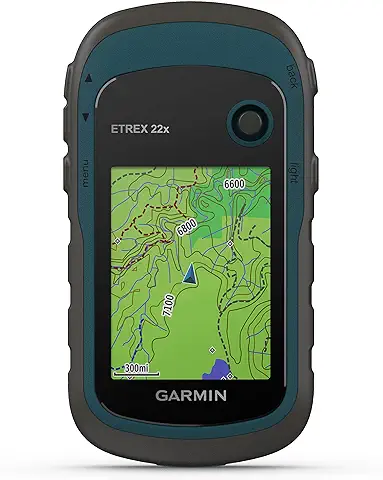
Navigating the world around us has always been more exciting and as complex as it currently is. Technologies advance, bringing new and innovative tools to guide us, while classic, time-tested equipment still holds a substantial clout. In this blog post, we'll outline some of the essential tools for navigation, distinguish between the traditional compass and a GPS device, and mention some must-have cell phone apps for today's explorers.
Understanding Navigation Tools
Before embracing the journey, we must familiarize ourselves with various navigational tools. Nowadays, options are more comprehensive than traditional compasses or denser Atlas. Adventurers have ample digital solutions to guide them on their journey.
- A traditional compass works on Earth's magnetic field and points to the Earth's geographic poles.
- A GPS (Global Positioning System) operates using signals from a network of satellites orbiting the Earth.
- Mobile applications offer even more versatile navigation solutions by combining data from multiple sources and creating user-friendly applications.
Compass vs. GPS: A Comparative Study
Both compasses and GPS devices can help explorers guide their travel, but how each operates and their benefits differ notably.
The Compass
A basic compass is simple yet powerful. It doesn't require any power source and can function almost anywhere on Earth without fail. Herein lies its real strength; it's reliable and won't malfunction under harsh weather conditions or in remote or signal-weak areas.
The GPS Device
On the other hand, a GPS device gives us more concrete information, providing accurate coordinates and can map out the detailed route, including distances and directions. However, its major limitation is its dependency on satellite signals and a power source. It might be unreliable in remote areas or during heavy rains and storms.
Mandatory Cell Phone Apps for Explorers
In the era of smartphones, navigation has become both comfortable and versatile. Numerous applications offer detailed guides for hikers, campers, and even city explorers. Here are a few must-haves to consider:
- Google Maps: The most popular and comprehensive app providing street maps, satellite imagery, real-time traffic conditions, and route planning.
- All Trails: A dedicated app for the hiking and biking community offering trail maps.
- Spyglass: A powerful GPS toolkit for outdoor and off-road navigation.
08. First Aid Kits and Medical Supplies for Bushcraft
 |
| photo: amazon.com |
Beating the Uncertainties of Wilderness
Managing anything mother nature tends to flourish or fabricate is a familiar experience for passionate bushcrafters. However, this scenery, seemingly teeming with tranquility, increasingly introduces concerns: artificial and natural dangers, requiring early mitigation for bushcraft enthusiasts using elaborate first aid kits and specific medical supplies. Are streamlined multiday trips within your grasp if you need more preparation?
Dangers Associated with Bushcraft: Artificial and Natural Elements
Ambiguity surrounds targeted threats while we appreciate the elements of nature intimately offered to bushcraft practitioners. ‘Expecting the Unexpected’ seems an undisputed mantra within this preoccupation; consequently, awareness of inherent natural and artificial perils is mandatory for any aspiring future 'bushcraft.'
- Danger from flora and fauna
- Cold weather temperatures and related ailments
- Hazardous encounters with wildlife
- Incorrect use of tools leading to injuries
Such risks must constantly be remembered and skeptically considered. Nevertheless, more than understanding the dangers is required; one must meticulously arrange a comprehensive first aid kit.
First Aid Kit: Your Essential Lifesaver in Wilderness
First aid kits could be deemed appropriate lifelines in the wilderness. Replete with necessities mitigating impending predicaments, the kit content should be scrutinized repeatedly to ensure efficacy and improvisation requirements.
- Sterilizing materials
- Adhesive bandages and butterfly bandages
- Wound-care items such as antibiotic ointment
- Fever reducers and pain relievers
- Extras based on individual requirements, such as tensor bandages or epi-pens
These basics in your structured kit and your crucial sense of understanding bushcraft dangers indicate you're a step closer to more challenging experiences!
Adaptive Recommendations for Multi-Day Kits
First aid posts on single-day explorations resonate significantly with bushcraft; nevertheless, using multi-day kits likewise takes everything into unmatched dimensions.
- Ensure duplicate items for prolonged trips
- Keep thermometers, respiratory aids, and any chronic illness medication.
- Carry hydration products against water-related sicknesses
- Problems regarding altitude may need particular medication along with aid devices
- Renew essential items every time after usage
Each category footmarked here may demand running inventories while you keep reassessing wilderness utility demands.
09. How to Select the Proper Clothing for Weather and Rugged Activities
 |
| photo: amazon.com |
With endless outdoor activities, from trekking in the mountains to biking through fields, knowing how to dress up correctly can transform your experience from tolerable to thrilling. In this intricate selection process, layering holds significant importance.
Why Layering Is Essential
Layering your clothing for outdoor activities enables quick adaptation to the ever-changing weather conditions and involves physical exertion. Doing this prepares you for drastic temperature swings, keeping you comfortable and safe.
Benefits of Layering
- Easy Adaptation: Layering allows you to remove or add clothes suited to the environment's condition. This technique keeps you from being too cold or too hot.
- Protection: Each layer serves a specific purpose. The base layer wicks away sweat, the middle layer provides insulation, and the outer layer defends against rain and wind.
Steps for Proper Layering
Understanding and using the three-layer system—Wicking, Insulating, and Weather Protection—is paramount to achieve the most from this method.
Base Layer: The Wicking Layer
This layer directly touches your skin. The purpose of this layer is to keep you dry by wicking away moisture, reducing the risk of hypothermia in chilly conditions, and keeping the body incredible during hot weather. Fast-drying material such as synthetic fabrics or wool is generally better for this layer than moisture-holding cotton.
Mid Layer: The Insulating Layer
This layer's purpose is to retain your body heat, keeping you warm. Pick choices like down, synthetic fleece, or wool for the best insulation experience.
Outer Layer: The Weather Protection Layer
Providing defense against external weather elements, this rain or wind-breaking layer should ideally be waterproof or water-resistant to keep the other layers dry.
In The Thick of Rugged Activities
Each type of outdoor activity requires a different set of clothing choices, mainly focusing on the interaction between comfort, protection, and practical functionality.
You can wear lighter layers for strenuous activities, such as biking, that generate body heat quickly. For calmer adventures where you're more exposed to the elements, such as bird-watching, you may choose to have thicker layers.
10. Water Storage and Purification Essential Necessities You Should Know
 |
| photo: amazon.com |
Understanding water storage and purification is crucial in light of the necessity of hydration and an increasing lack of resources globally. Let's explore how to acquire, store, and purify your life's hydration resources.
The Importance of Hydration
It takes no time to make us realize that water is the catalyst of life. It helps regulate body temperature, transport nutrients to cells, and lubricate the joints. Dehydration, which means inadequate water intake, often puts us at several risks, like fatigue, lethargy, peeling skin, reduction in urine output, and severe headaches.
A study revealing that at least 80% of individuals worldwide are challenged with water scarcity showcases how precious water is and accentuates our need to manage this invaluable resource effectively.
Choosing Your Water Container
Choosing the suitable Water Container might seem basic, but it's no child's play. We must select eco-friendly, durable, and portable containers for high utility. Here are a few key points to focus on while choosing the right one for your needs:
- Material: Opt for a BPA-free, food-grade plastic or stainless-steel container that is known for longevity.
- Capacity: Depending on your requirements, the capacity will matter. Larger containers are ideal for a home to maintain the water's cleanliness, while portable ones are best for hiking or camping.
- Sealing: Ensure your container is well-sealed to avoid unwanted spills and maintain the water's cleanliness.
- Portability: Pick lightweight, easy-to-carry containers for outdoor or emergency use.
Water Purification Techniques
There are plenty of ways to purify water, but considering the most straightforward methods that can be conveniently implemented is essential. Here are your easy go-to solutions:
- Boiling: Simple, undisputed, and reliable purification method. Boil the water for 1-3 minutes after it reaches its boiling point (100°C or 212°F).
- Use of Tablets or Drops: Chlorine tablets/drops are standard and readily available. Make sure you follow the manufacturers' instructions.
- Filters: Water filters are practical and handy, from small drinking-straw-type filters to larger gravity-fed models.
To concur about your needs and select your purifying methodologies, planning, research, and testing are your friends.
Wrapping it Up
Knowledge about correct water storage and purification practices is our best ally in tackling the global water crisis. Reducing risks, managing scarcity, and ensuring sustainable practices unifies us to maintain the circular nature of this precious resource.
Embracement of such minor, necessary acts leads us to propose better, more significant, and more sustainable technologies. So, here's to the ripple for displaying our learning outcome, inching close to the sphere of solving global issues. Remember - Save water; it will save you later.
Read More: Digital Dive Blog
- Affordable Wireless Outdoor Home Security Cameras 2023
- Top 10 Binoculars for Long Distance Viewing
- Top 5 Bike Cargo Trailers of the 2023
- Top 10 Survival and Emergency Preparedness Kit Contents
- Top 5 Lightweight Tents for Backpacking 2023
- Top 5 Most Popular Inflatable Kayak 2023
- Top 5 Trekking Poles For Outdoor Adventures